Empowering Patients: The Ultimate Guide to Cancer Awareness and Resources
Navigating the landscape of cancer can often feel like traversing an uncharted wilderness. With the vast expanse of information available, patients and their families can struggle to find their way. How do you separate the fact from fiction? Which resources genuinely empower patients in their journey with cancer? This guide delves into essential insights and resources that not only raise cancer awareness but also provide practical tools for patient education. From the latest in medical research to the community support available, we’ll illuminate the path ahead. Let’s embark on this journey together.
The world of oncology is constantly evolving, with new cancer news emerging almost daily. Did you know that cancer statistics reveal over 1.8 million new cancer diagnoses in the United States each year? Each statistic tells a story of hope, resilience, and awareness. In the face of such staggering numbers, it’s critical to harness the power of information. This brings us to the concept of support groups, which can serve as pivotal spaces for sharing experiences and advice. Support groups embody the spirit of community—a crucial lifeline for cancer survivors and current patients alike.
As we journey deeper into understanding cancer, let's explore the treasure trove of health resources available to patients. From clinical trials investigating innovative therapies like immunotherapy to alternative therapies that promote holistic health, the choices are vast. Perhaps you’ve heard of nutrition and cancer—did you know that a well-balanced diet can enhance treatment outcomes and improve quality of life? By focusing on symptom management and engaging in palliative care, patients can work towards a life that is not only survivable but thriving. The question is, how can patients take charge of their health through these resources?
Patient education is at the heart of cancer advocacy. Empowering individuals with reliable health information is essential for disease prevention and treatment option awareness. But, how do we, as a community, advocate for such education? It starts with open conversations about mental health and cancer. By addressing the psychological aspects of a cancer diagnosis, we can promote overall well-being and resilience. Consider this: Have you spoken with your healthcare provider about your mental health? Conversations like this can foster a more profound understanding of your journey, paving the way for comprehensive care and support.
In conclusion, navigating the landscape of cancer is undeniably challenging, yet it is also filled with opportunities for learning and growth. Patients, families, and caregivers must actively seek out information and engage with available resources. As you embark on this journey, remember that you’re not alone; there is a vibrant community of survivors, advocates, and healthcare providers ready to support you. So, what’s your next step? Will you explore new support groups, educate yourself about the latest treatment options, or connect with others walking a similar path? The choice is yours, and every action counts in the fight against cancer.
From Awareness to Advocacy: Empowering Your Cancer Journey with Knowledge
When faced with a cancer diagnosis, the world can feel overwhelmingly dark. However, knowledge is a powerful tool that can turn despair into action. From physicians to support groups, there is a wealth of information that can provide support and guidance. By increasing cancer awareness and fostering patient education, individuals can turn their journey into one of empowerment. Imagine transforming fear into understanding, and confusion into clarity. After all, isn’t knowledge the best weapon we have against one of life’s most daunting challenges?
Cancer statistics reveal stark realities, but they can also inspire hope. With breakthroughs in medical research, treatments like immunotherapy and alternative therapies are becoming more accessible. It’s crucial to keep abreast of the latest cancer news and scientific advancements. Ask yourself: Are you familiar with the current trends in lung cancer research or breast cancer awareness initiatives? Engaging with health blogs and oncology blogs can help you become your own advocate. Education is essential in navigating the plethora of treatment options available and understanding how they align with your specific needs.
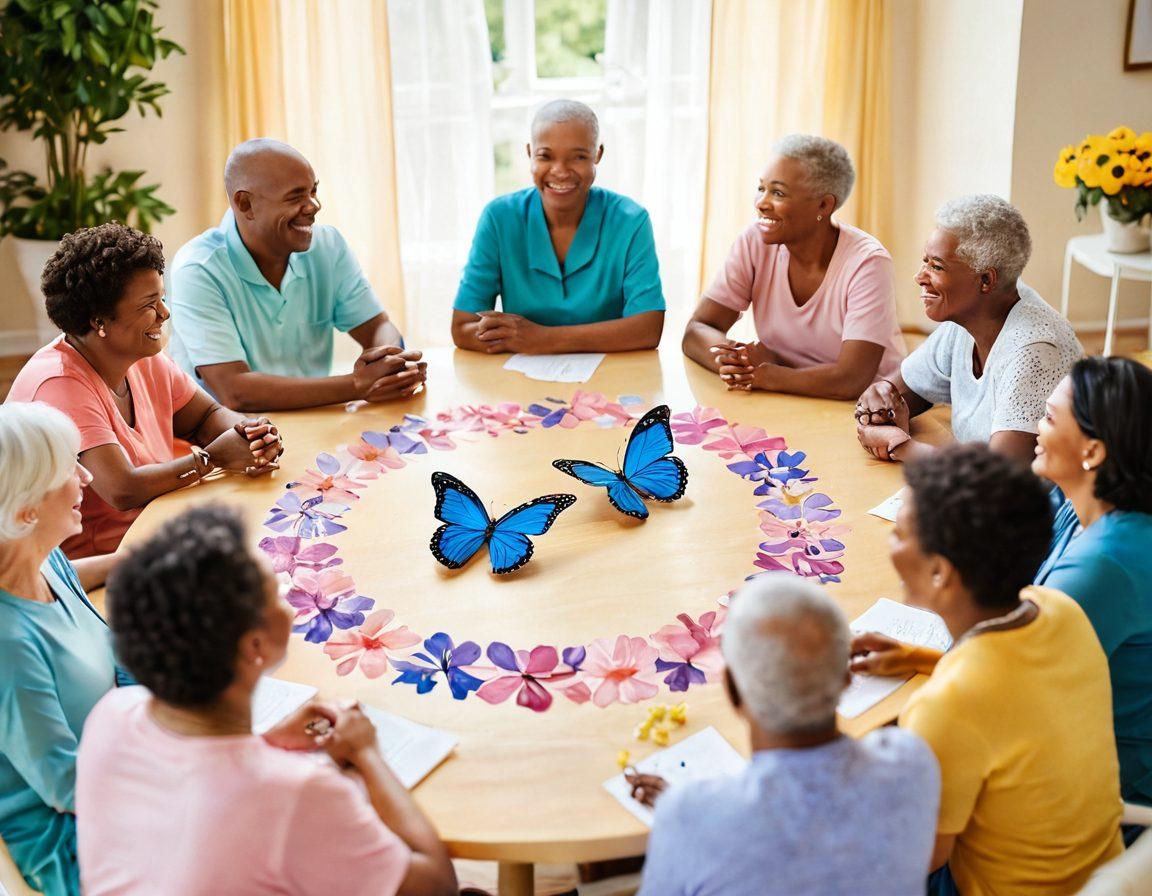
The journey through cancer doesn’t have to be walked alone. Support groups can provide a sense of community and shared experience. They are the safe harbors amidst the storm, a place where understanding flows freely, and stories of survival are shared. Anyone dealing with the challenges of cancer can resonate with the idea that behind every statistic, there’s a person with dreams, fears, and immense strength. What would happen if you reached out to someone walking the same path? By connecting with cancer survivors, you will find inspiration and actionable strategies to manage your symptoms and maintain your mental health throughout the journey.
As we explore holistic health and nutrition in cancer care, it’s essential to consider the whole person—body, mind, and spirit. What we eat can have profound effects on our health and wellbeing. Knowledge about nutrition and cancer can empower patients to make informed choices that complement their treatment plans. Are there alternative therapies you’ve explored that support your journey? Those are questions worth asking, as the often-overlooked aspects of health might just be the key to enhancing your quality of life during treatment. Integrating balanced nutrition can aid in symptom management, while fostering mental resilience can make all the difference on tough days.
Finally, but importantly, advocacy plays a vital role in the trajectory of cancer care. The more we share, the more we learn. Engaging in discussions about disease prevention and cancer advocacy can lead us toward a future filled with hope and healing. Consider what actions you can take to support broader awareness and contribute to a culture that empowers patients. How can you share your story or support ongoing clinical trials? Your voice may just change someone’s life—and that’s a realization far more empowering than any statistical figure or clinical trial result.
The Power of Community: Support Groups and Resources for Cancer Survivors
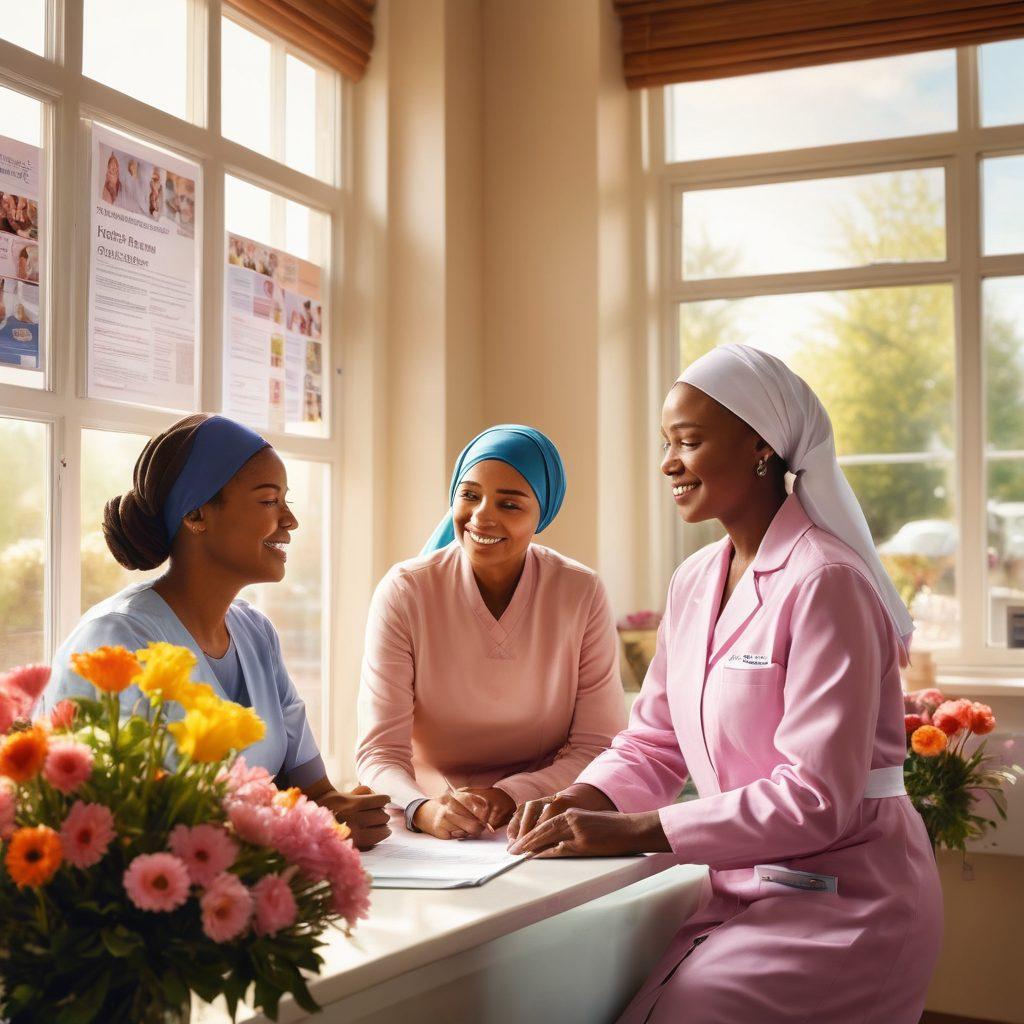
In the journey of navigating a cancer diagnosis, one of the most powerful allies can be found in the community. The power of support groups and shared experiences creates a unique atmosphere of understanding, acceptance, and empowerment. Imagine stepping into a room filled with individuals who truly comprehend the whirlwind of emotions you are experiencing—from fear and uncertainty to hope and resilience. These moments can make all the difference as cancer survivors rally together, sharing their stories and the invaluable lessons learned along the way. In the world of cancer awareness, it is through these connections that we find strength and inspiration.
Support groups serve as a beacon for cancer survivors, offering a safe space for individuals to voice their concerns and fears. Did you know that staying socially connected plays a significant role in mental health and cancer recovery? According to various cancer statistics, those who engage in support groups report feeling less isolated and more hopeful. As we explore the vast ocean of health resources available, it’s crucial to acknowledge that the path to wellness often includes not just clinical trials and treatment options, but also the emotional support that comes from others who have walked the same path. Remember, ‘You are never too old to set another goal or to dream a new dream,’ as C.S. Lewis wisely said.
As you delve into your wellness journey, consider the many forms that support can take. Perhaps you’ll connect with a breast cancer awareness group, where testimonials inspire and educate. Or maybe a lung cancer research forum will introduce you to innovative treatments such as immunotherapy or alternative therapies. The options for participation are numerous and each offers unique insight into the complexities of living with cancer. Patients often find that sharing concerns about symptom management and palliative care lightens the burdens we carry and promotes holistic health.
We cannot overlook the critical role of patient education in a cancer survivor's journey. Knowledge is power, and having access to relevant cancer news and health blogs about disease prevention can empower you to take charge of your health. By familiarizing yourself with the latest medical research, dietary changes—like nutrition and cancer—can transform your approach toward recovery. Engaging in informative discussions within support groups not only enhances your understanding but also builds a sense of camaraderie that is enriching and uplifting.
Last but not least, let’s talk about cancer advocacy. As cancer survivors, many feel called to support those still navigating their diagnosis, further amplifying the power of community. Whether you're sharing experiences on health blogs, participating in awareness campaigns, or advocating for more substantial research funding, your voice has the power to impact others profoundly. Each story told and each conversation sparked creates ripples of empowerment throughout the community, fostering a culture where hope and healing thrive. So, how can you contribute to this narrative? What will your story add to the tapestry of resilience that is being woven by cancer survivors around the world?